THE SKY ASKED — “WHAT ELSE IS OUT THERE?”
So we answered.
Every spacecraft here is an answer. When city light buried the question, these machines climbed above the glow — and they are still answering it from the dark, right now, tonight.
01 / LIVE TELEMETRY
Right now, out there
These numbers are not decoration — they are computed live while you read this, from each mission’s real speed and position.
VOYAGER 1 · DISTANCE FROM SUN
—
GAINING 16.9 KM EVERY SECOND · INTERSTELLAR SPACE
VOYAGER 2 · DISTANCE FROM SUN
—
GAINING 15.3 KM EVERY SECOND · INTERSTELLAR SPACE
ISS · CONTINUOUSLY INHABITED FOR
—
CIRCLING EARTH AT 7.66 KM/S · 16 SUNRISES A DAY
RADIO DELAY TO VOYAGER 1
—
ONE WAY, AT THE SPEED OF LIGHT · AND GROWING
02 / THE STAIRWAY OUT OF THE GLOW
Astronomy’s great escape
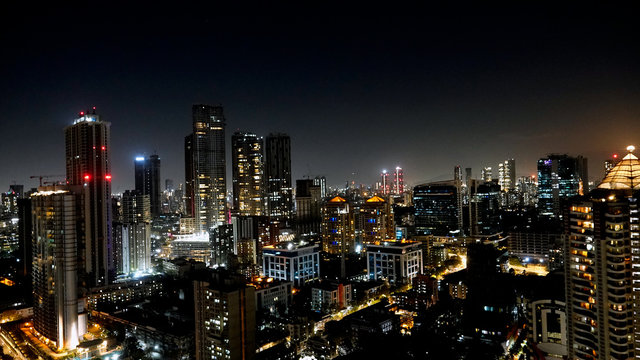
Our glow chased the telescopes off the rooftops, up the mountains, and finally off the planet. Now fly the escape yourself — hold LAUNCH and don’t let go.
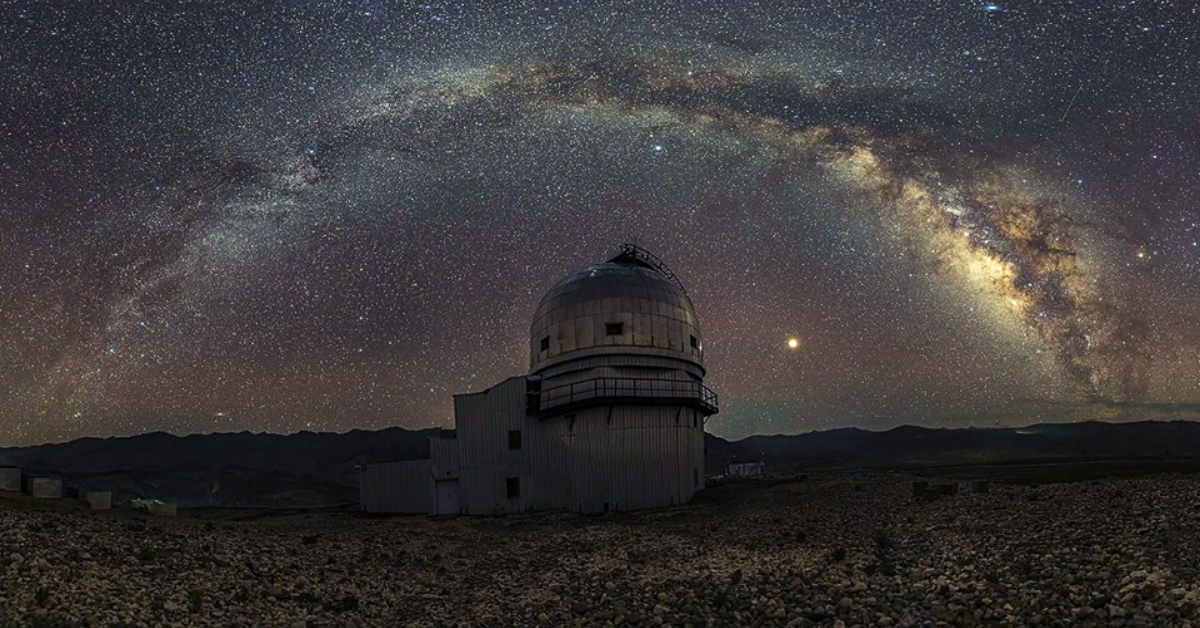
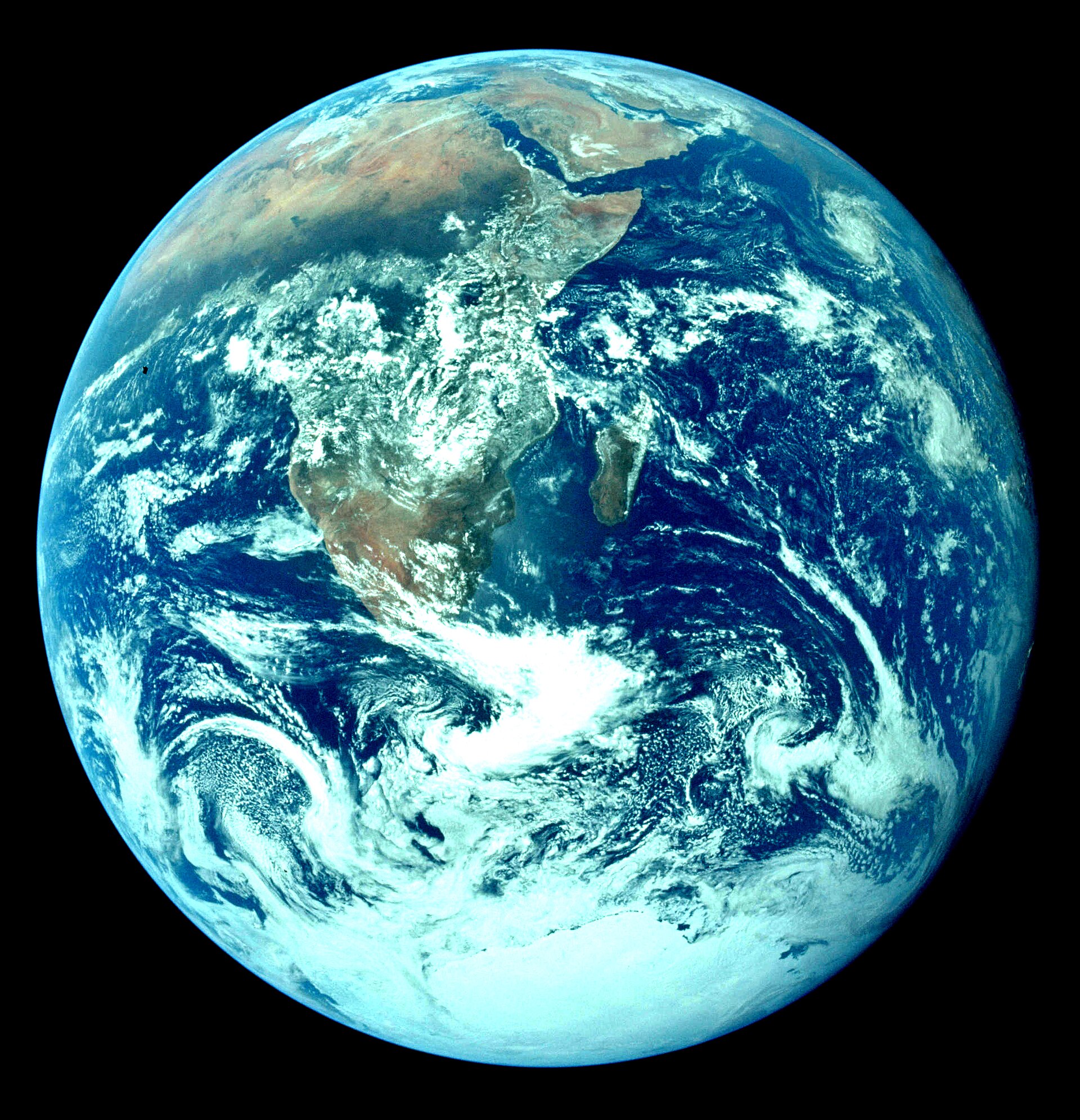
ZONE 01 / 04 · BORTLE 9
A Mumbai rooftop
The sky most of us own: an amber haze, the Moon, and two dozen survivors. Hold LAUNCH to leave it behind.
STARS: ≈ 25 · 1.4 BILLION OF US WATCH FROM HERE
03 / THE FLEET
Open a dossier
Eight missions, one hangar. Select a spacecraft to load its real 3D model — then drag it around like you own it.
HANGAR BAY · DRAG TO INSPECT
TRANSMITTING MODEL…
—
——
◆ SECRET PULLED FROM THE DARK
—
- AGENCY
- —
- LAUNCHED
- —
- STATION
- —
- CLAIM TO FAME
- —
04 / THE MOST IMPORTANT DARK PATCH IN HISTORY
Staring into nothing
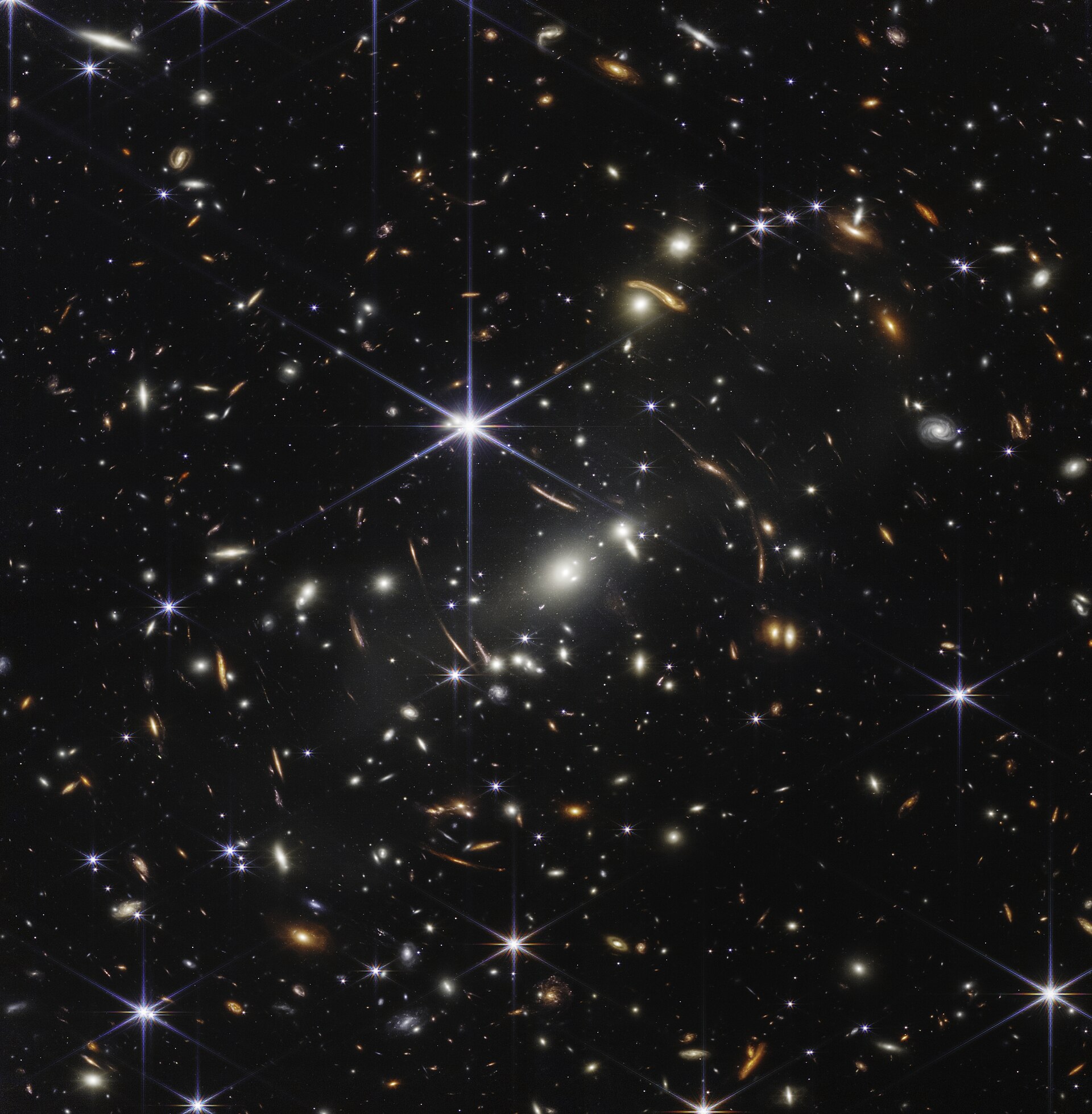
In 1995, astronomers pointed Hubble at the emptiest darkness they could find — a patch the size of a sand grain held at arm’s length — and let it stare for ten days straight. Try it yourself.
THIS IS WHAT YOUR EYE SEES · NOTHING
- EXPOSURE
- DAY 0 / 10
- GALAXIES FOUND
- 0
Every smudge that appears is not a star. It is an entire galaxy — hundreds of billions of stars, each perhaps with worlds.
THE DARK WAS NEVER EMPTY.
IT WAS FULL THE WHOLE TIME.
05 / A BRIEF HISTORY OF LEAVING HOME
First we lost the sky. Then we left.
From the night London’s glow blinded the world’s most famous observatory to telescopes parked a million miles out — the whole escape, on one line.
- 1948
London’s glow closes Greenwich
The Royal Observatory — the place the world sets its clocks by — can no longer see the stars through the city’s light. Astronomy begins its escape.
- 1957
Sputnik 1
A polished metal sphere beeps from orbit. The Space Age begins — and the whole world listens in.
- 1961
Yuri Gagarin
The first human sees Earth from space and calls it blue. He is 27 years old.
- 1969
Apollo 11
Six hundred million people watch two humans walk on the Moon — the furthest footprints ever made.
- 1977
The Voyagers
Two probes leave with golden records of Earth’s music. Both are still flying, still calling home.
- 1990
Hubble & the Pale Blue Dot
Hubble opens its eye; Voyager 1 turns back and photographs Earth as a single pixel of light.
- 2000
Humans move in
The ISS takes its first long-term crew. No one has been off-world-less since — 26 years of someone always up there.
- 2004
Cassini reaches Saturn
Thirteen years among the rings. Its moon-lander Huygens touches down on Titan — the most distant landing ever.
- 2012
Curiosity sticks the landing
A rover the size of a car is lowered onto Mars by a rocket-powered sky crane. It finds an ancient riverbed.
- 2015
Pluto, up close
New Horizons crosses the whole solar system in nine years and finds a heart-shaped glacier waiting.
- 2019
Chandrayaan-2
India’s orbiter begins mapping the Moon in detail — groundwork for Chandrayaan-3’s historic south-pole landing.
- 2021
James Webb unfolds
The largest space telescope ever built opens like origami, a million miles out, and sees the first galaxies.
- NOW
Your turn to look up
Every one of these machines was built by people who could still see the stars. Keep the sky dark, and the next one might be yours.